Why Humans Naturally Seek Social Connection
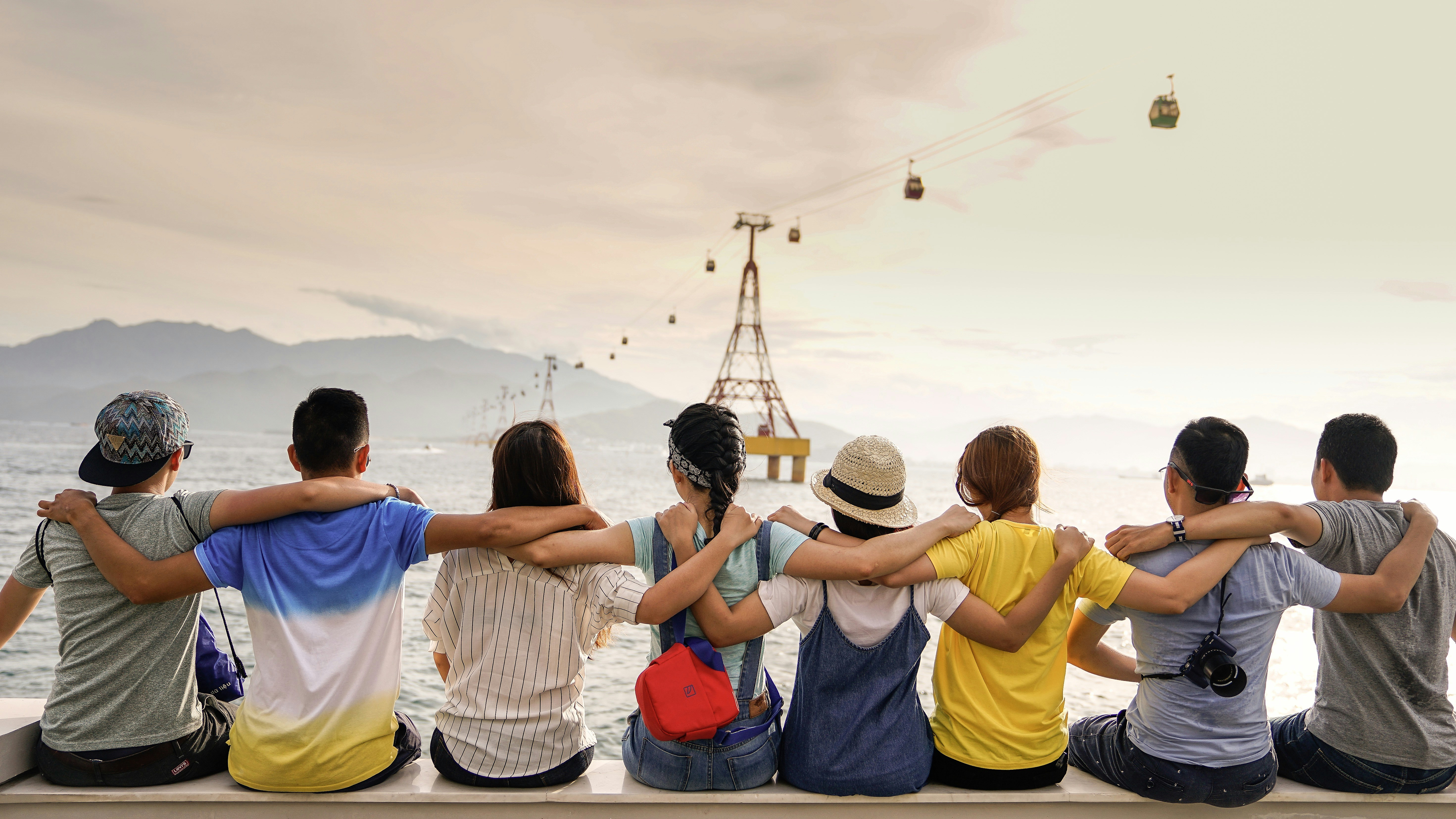
Human beings are social creatures. From ancient communities to modern cities, people naturally seek connection with others. Social interaction is not merely a cultural habit but a fundamental aspect of human psychology.
Throughout history, cooperation and communication have played vital roles in survival. Early human groups depended on teamwork for hunting, protection, and shared knowledge.
The Psychological Need for Belonging
Psychologists often describe belonging as one of the core human needs. People want to feel accepted, valued, and understood by others.
Social connections provide emotional support and strengthen mental resilience. Friends, family, and communities create networks that help individuals cope with challenges.
Communication and Emotional Understanding
Through conversation and shared experiences, people learn to understand different perspectives. Communication allows individuals to express thoughts and emotions while also receiving feedback from others.
This process helps build empathy and strengthens relationships.
Community and Cooperation
Communities form when individuals share goals, values, or interests. Whether through neighborhoods, workplaces, or online groups, communities allow people to collaborate and support one another.
These interactions contribute to both personal development and social progress.
Technology and Modern Connections
Modern technology has transformed the way people connect. Social platforms allow communication across long distances, making it easier for individuals to maintain relationships.
However, maintaining meaningful interactions still requires authenticity and attention.
Conclusion
The human desire for connection reflects a deep biological and psychological foundation. By building strong relationships and supportive communities, individuals can experience greater happiness, resilience, and fulfillment.


No comments:
Post a Comment